
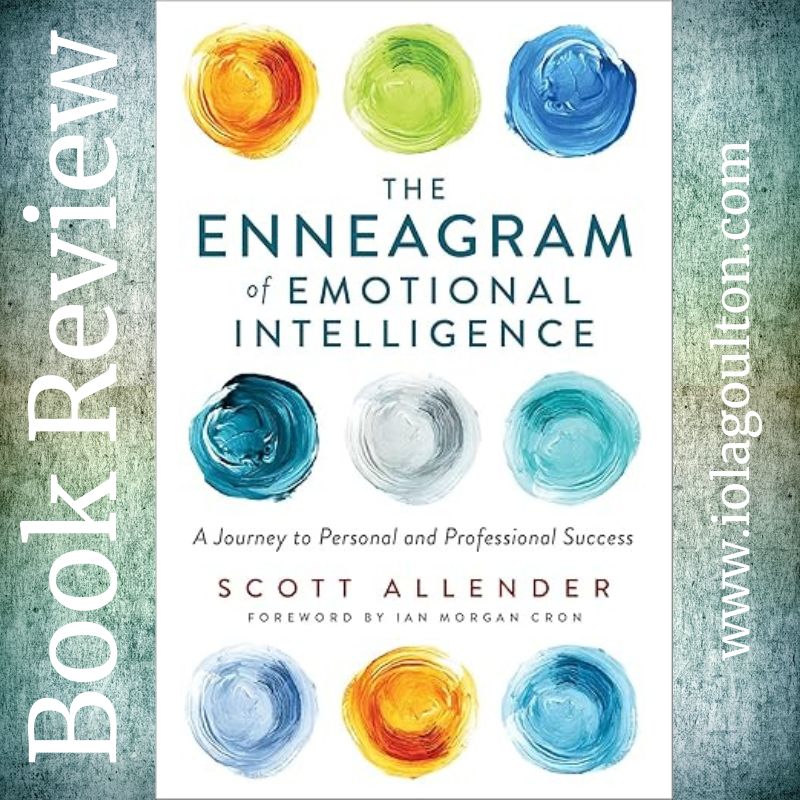
I’ve read several books on the Enneagram, so the early part of this book didn’t really add anything to my previous knowledge. Anyone with even basic familiarity of the Enneagram could probably skip this section.
For those who are unfamiliar, here is the potted version: there are nine Enneagram “types”, numbered one to nine. Each type has a motivation and a wound. We each have a dominant type, and will gravitate toward another type when we are in healthy growth patterns, but will gravitate toward a different type when we are in an unhealthy stress pattern.
My biggest issue with the Enneagram as a principle isn’t that we can never expect to reach perfection on Earth (which lines up with Jesus’s teaching and—if we’re honest—with what we know about ourselves), but that the whole premise is circular: a healthy One will become a Seven, and an unhealthy Seven will become a One. That implies One is better than Seven, right? But no. A healthy Seven becomes a Five. A healthy Five becomes an Eight. A healthy Eight becomes a Two, a healthy Two becomes a Four, and a healthy Four becomes a One. And you’re back at the beginning.
All this reads like humanity striving toward evolution rather than seeking God-driven transformation (which makes sense, given the author apparently has a podcast called The Evolving Leader). As I read through my notes, I realised the author might have been trying to say that an emotionally healthy person won’t have a single Enneagram type: they will exhibit strengths from all the types. I guess that means they have evolved? Either way, this idea was not explored in this book, or even mentioned in any of the previous Enneagram titles I’ve read.
I didn’t think the book made sufficient case for why we should change.
It assumed the reader wanted to change, wanted to become a “better” person, but spent more time using the Enneagram to explain how someone can move from Type A to Type B rather than asking why someone might want to change. Perhaps the author felt that was unnecessary.
Perhaps they assumed someone reading a self-help book already wants to change?
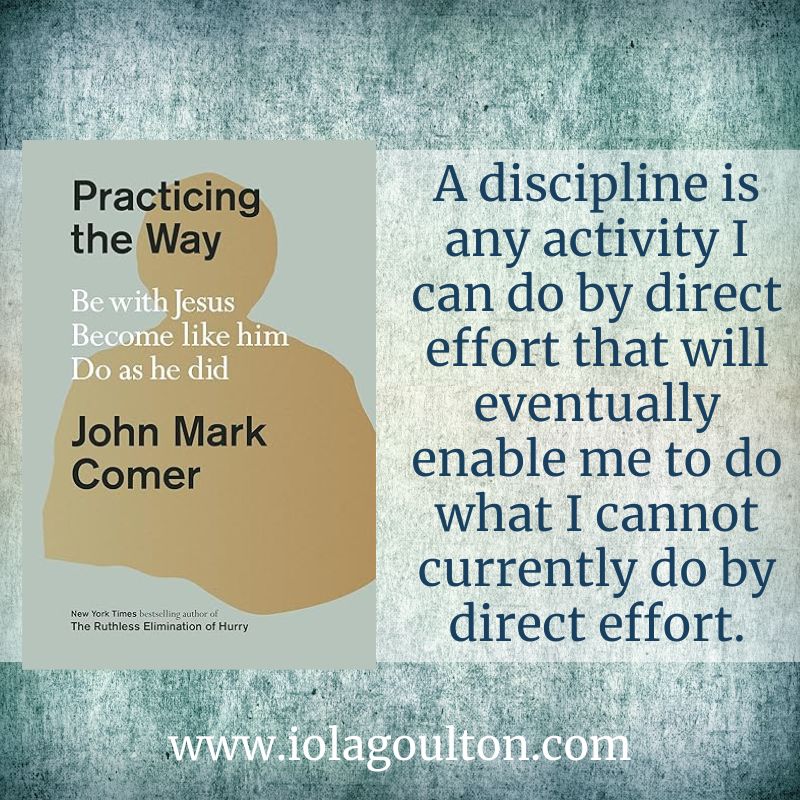
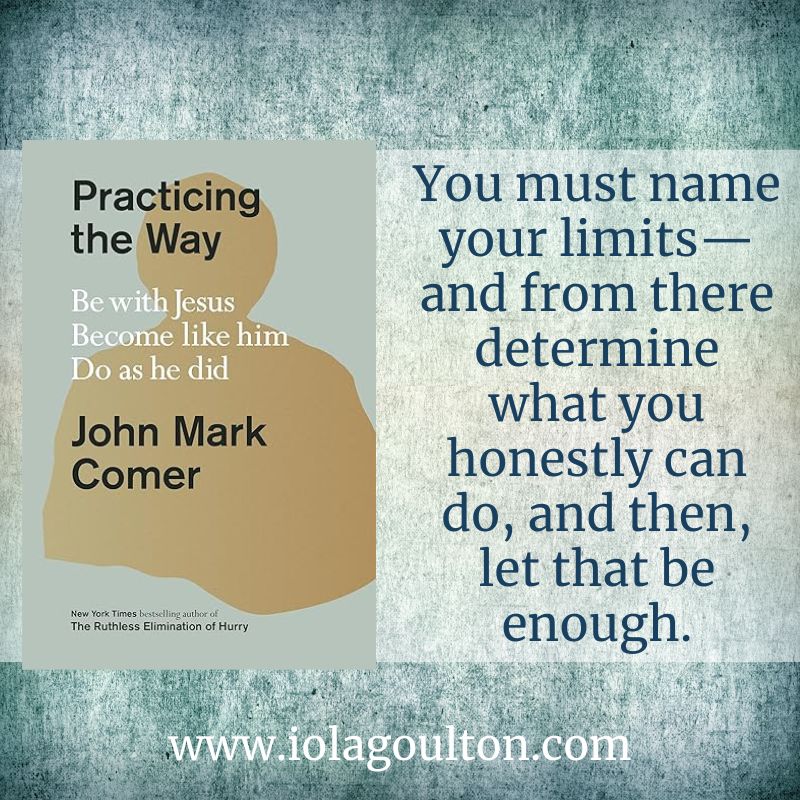
In contrast, the next book I picked up was Practicing the Way by John Mark Comer. This immediately tackled the “why” of change:
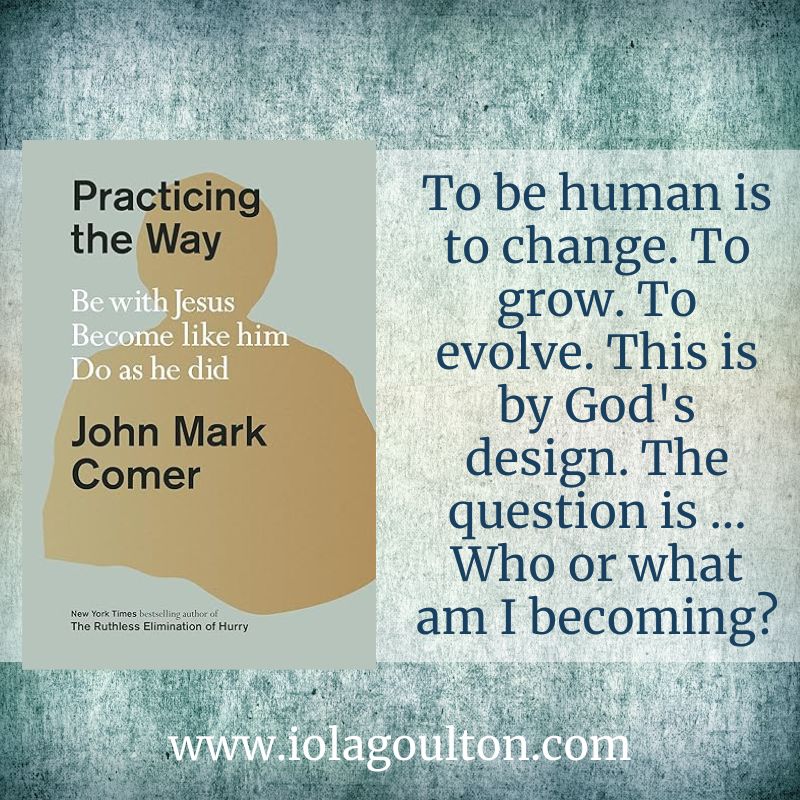
Comer’s one short paragraph did more to explain the “why” we should seek to change than this entire book.
After introducing the concept of the Enneagram, the author then introduces emotional intelligence, a concept popularised (but not invented by) psychologist and writer Daniel Goleman. The premise of emotional intelligence (aka EI) is that EI is the best predictor of success, not “regular” intelligence.
There are five essential skills of emotional intelligence:
- Self-perception
- Self-expression
- Interpersonal relationships
- Decision-making
- Stress management
Scott Allender does a good job of explaining each of these essential skills from both a personal and professional context, making the valuable point that an emotionally intelligent organisation creates better working conditions that allow people do to their best work.
However, the book then got bogged down by Allender trying to explain how each of the nine Enneagram Types might react in growth and in stress with each of these five essential skills. Five times nine is forty-five, which meant there was lots of information but insufficient detail on any specific skill or type. This discourse also assumed the reader knew their Enneagram type and their EI strengths or growth areas.
Despite the fact this book is published by Baker Books (an imprint of evangelical publisher Baker Publishing Group), the underlying message seemed to imply we’re all aiming for self-awareness but can never achieve it, and that we’re all doing it under our own efforts, as if there is no Jesus, no saviour.
It all felt more Buddhist than Christian.
For example, Allender says:
Fours, for example, are prone to feelings of shame because of the false belief that they are flawed in some way (emphasis mine).
Yes, we are flawed. John 3:16 teaches us that we are all sinners. Allender also says:
I believe that somewhere in each of us is a sense that something’s not quite right.
Isn’t that the Jesus-shaped hole in each of us that the Holy Spirit wants to fill?
And:
The Enneagram has been my vehicle for releasing my false narratives and stepping into a truer story.
Really? I suggest he try reading the Bible.
Despite these issues, The Enneagram of Emotional Intelligence was a worthwhile read: it has convinced me there is nothing even vaguely Christian about the Enneagram, despite its growing popularity in parts of the church. It has also convinced me that I need to read Daniel Goleman’s original book on Emotional Intelligence if I want to understand the topic.
Thanks to Baker Books and NetGalley for providing a free ebook for review.
About The Enneagram of Emotional Intelligence
 Emotional Intelligence (EQ) is one of the biggest predictors of personal and professional success, and the key to effectively developing your EQ is tying it to your own personality type. In this book, certified EQ coach and Enneagram teacher Scott Allender helps you chart a personality-specific path toward lasting emotional intelligence and health.
Allender uses the popular Enneagram framework to illuminate how each of the nine personality types aligns with the five essential skills of emotional intelligence: self-perception, self-expression, interpersonal relationships, decision making, and stress management. You’ll discover how to:
- break free from the hidden fears that dictate your choices
- make more intentional decisions
- better understand the emotional dynamics of colleagues, friends, and family
- and more.
In this journey toward radical self-awareness, you’ll learn how to combat the self-limiting beliefs that keep you from living the life you were meant to live all along.
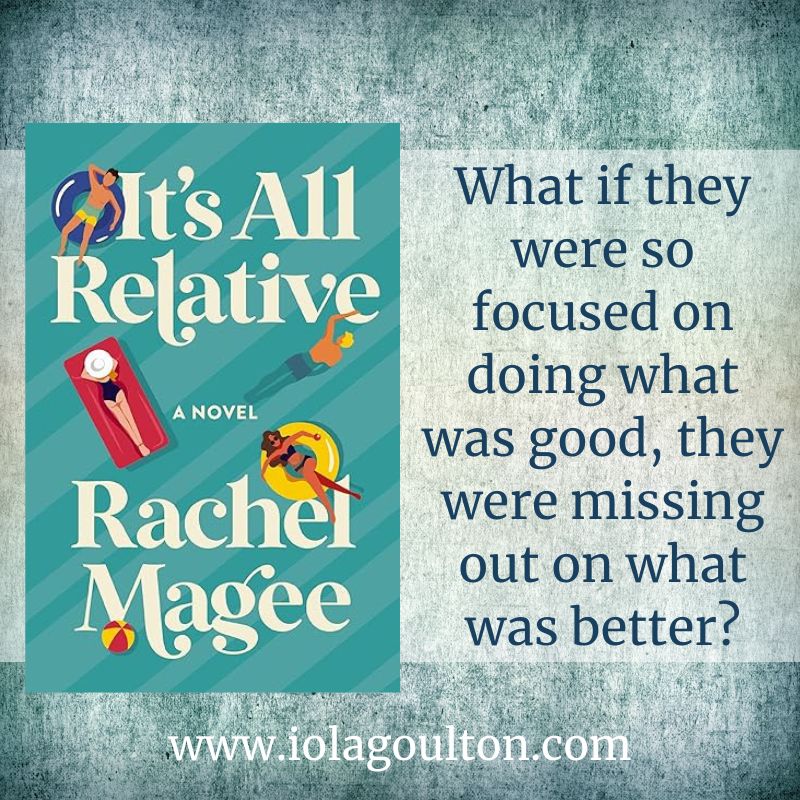
 Rachel Magee writes rom-coms and women’s fiction with relatable characters, witty dialogue, and plenty of happily-ever-afters. Her stories are usually set in fun, sunny locations where she doesn’t mind spending lots of time ‘researching’. When she’s not out scouting the setting of her next book, you can find her at home in The Woodlands, Texas with her amazing husband and their two adventurous kids.



 Steven James is the critically acclaimed, national bestselling author of sixteen novels.











 Courtney Walsh is a novelist, theatre director, and playwright. She writes small town romance and women’s fiction while juggling the performing arts studio and youth theatre she owns with her husband. She is the author of thirteen novels. Her debut,


 After the attack on Pearl Harbor, Imperial Japan devours the southern portion of Burma, intent on taking over mainland Asia. Unaware of the coming darkness, Kailyn Moran drifts in her role as the only daughter of a widowed missionary. As whispers of war snake through the Kachin mountains, Kai’s father is convinced God will protect the mission. He entrusts the village to her and the kind yet inexperienced new missionary, Ryan McDonough, while he makes routine visits to neighboring villages.
 Jenny Erlingsson

 Emily Dana Botrous lives in San Diego, California with her husband and their four children. She lived in 10 states before she settled on the West Coast where she plans to stay for awhile. She started writing short stories at age 10 and studied English in college. The only thing she enjoys more than writing is motherhood.