We’re halfway through 2021. Some of us have read more books that we’d planned so far this year … and some haven’t (me). Whichever category you fit into, there are always more books being published that we can add to our to-read piles. Here are some new and recent releases in Christian fiction from members of American Christian Fiction Writers:
General Contemporary
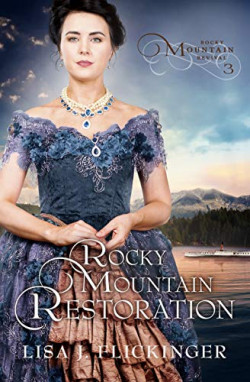 Rocky Mountain Restoration by Lisa J. Flickinger — Josephine Thorebourne doesn’t deserve happiness. Not after the mess she’s made. Mid-voyage, on the steamship Jameson, she learns of the tragic loss of her family’s money. Money she stole with the hopes of turning a profit. What should be a delightful voyage up the Canadian coast turns into a journey of regret. Josephine seeks the solace of the man she loves, only to find out he’s an imposter. Left with no other choice, she must return to her home town of Stony Creek and face the anger of those she’s betrayed. Owen Kelly was given the opportunity of a lifetime to steward on the SS Jameson. The work meant he could escape his difficult upbringing along the wharves of Chicago. When his heart falls for the woman in cabin eight, Owen must decide if he will continue his work on the ship or follow the love of his life to her Rocky Mountain home. (Historical Romance from Wild Heart Books)
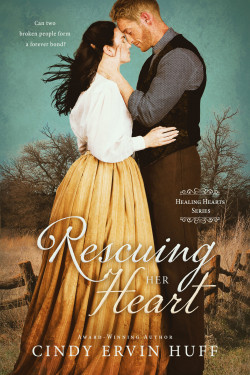
Rescuing Her Heart by Cindy Ervin Huff — On visitation rounds as a lay preacher, the last thing rancher Jed Holt expects is to be shot at from the barn next to a burned-down homestead. But the soot-covered woman hiding inside needs protecting, and Jed is the man to do it whether she likes it or not. Delilah James’s nightmares began when she came to Kansas as a mail-order bride. Her husband was nothing like his letters. Now that he is dead, she can’t shake his abuse from her heart. Trusting men tops her never-again list, and taking a job on the Holt ranch as a housekeeper is a means to save money and bring her parents west. But her attraction to the compassionate former chaplain both angers and confuses her. Jed has his own nightmares from a POW camp and understands Delilah better than she knows. Can two broken people form a forever bond? (Historical Romance from Iron Stream Media)
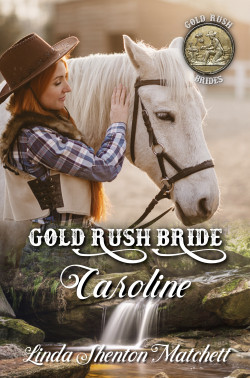 Gold Rush Bride Caroline by Linda Shenton Matchett — Scarred in a childhood accident, Caroline Vogel has yet to find a man willing to marry her, so she heads to the Pike’s Peak goldfields to pan enough ore to become a woman of means. When she and the handsome assistant trail boss hit it off, she begins to hope her future may not be spent alone. Then she catches wind of dark secrets from the man’s past, and she’s not sure what or who to believe. Orphaned as a teenager, Oliver Llewellyn stole to survive, then used his skills for the army during the war. Nowadays, he applies his knowledge to catch dangerous thieves for the Pinkerton Agency, so guarding a young woman during a wagon train journey should be easy. But he didn’t count on the fact she’d angered a man bent on revenge. He also didn’t count on losing his heart. (Historical Romance from Shortwave Press)
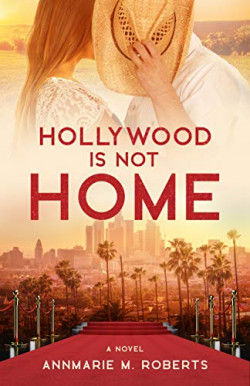
Hollywood is Not Home by Annmarie M. Roberts — Would you trade fame for privacy? Movie star Maggie Malone has a glamorous lifestyle with everything money can buy―except privacy. Hounded by the paparazzi and ridiculed for her faith, Maggie secretly struggles with severe anxiety and loneliness. All she desires is to be herself–southern girl by birth, ranch lover by heart. When an anonymous benefactor invites Maggie to participate in a secret project, will her hopelessness find a new direction? Or will she become another celebrity travesty? What if she discovers Hollywood is not Home? Her faith, family, love, and future hang in the balance . (General Romance from Ambassador International)
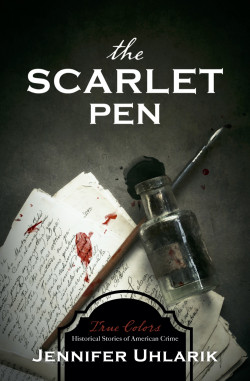 The Scarlet Pen by Jennifer Uhlarik — Enjoy a tale of true but forgotten history of an 19th Century serial killer whose silver-tongued ways almost trap a young woman into a nightmarish marriage. In 1876, Emma Draycott is charmed into a quick engagement with childhood friend Stephen Dee Richards after reconnecting with him at a church event in Mount Pleasant, Ohio. But within the week, Stephen leaves to “make his fame and fortune.” The heartbroken Emma gives him a special pen to write to her, and he does with tales of grand adventures. Secret Service agent Clay Timmons arrives in Mount Pleasant to track purchases made with fake currency. Every trail leads back to Stephen—and therefore, Emma. Can he convince the naïve woman she is engaged to a charlatan who is being linked a string of deaths in Nebraska? (Historical Romance from Barbour Publishing)
General Historical:
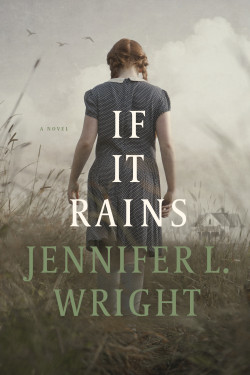 If it Rains by Jennifer L. Wright — It’s 1935 in Oklahoma, and lives are determined by the dust. Fourteen-year-old Kathryn Baile, a spitfire born with a severe clubfoot, is coming of age in desperate times. Once her beloved older sister marries, Kathryn’s only comfort comes in the well-worn pages of her favorite book, The Wonderful Wizard of Oz. Then Kathryn’s father decides to relocate to Indianapolis, and only the promise of a surgery to finally make her “normal” convinces Kathryn to leave Oklahoma behind. But disaster strikes along the way, and Kathryn must rely on her grit and the ragged companions she meets on the road if she is to complete her journey.
Back in Boise City, Melissa Baile Mayfield is the newest member of the wealthiest family in all of Cimarron County. In spite of her poor, rural upbringing, Melissa has just married the town’s most eligible bachelor and is determined to be everything her husband―and her new social class―expects her to be. But as the drought tightens its grip, Henry’s true colors are revealed. Melissa covers her bruises with expensive new makeup and struggles to reconcile her affluent life with that of her starving neighbors. Haunted by the injustice and broken by Henry’s refusal to help, Melissa secretly defies her husband, risking her life to follow God’s leading. (General Historical from Tyndale House)
If it Rains by Jennifer L. Wright — It’s 1935 in Oklahoma, and lives are determined by the dust. Fourteen-year-old Kathryn Baile, a spitfire born with a severe clubfoot, is coming of age in desperate times. Once her beloved older sister marries, Kathryn’s only comfort comes in the well-worn pages of her favorite book, The Wonderful Wizard of Oz. Then Kathryn’s father decides to relocate to Indianapolis, and only the promise of a surgery to finally make her “normal” convinces Kathryn to leave Oklahoma behind. But disaster strikes along the way, and Kathryn must rely on her grit and the ragged companions she meets on the road if she is to complete her journey.
Back in Boise City, Melissa Baile Mayfield is the newest member of the wealthiest family in all of Cimarron County. In spite of her poor, rural upbringing, Melissa has just married the town’s most eligible bachelor and is determined to be everything her husband―and her new social class―expects her to be. But as the drought tightens its grip, Henry’s true colors are revealed. Melissa covers her bruises with expensive new makeup and struggles to reconcile her affluent life with that of her starving neighbors. Haunted by the injustice and broken by Henry’s refusal to help, Melissa secretly defies her husband, risking her life to follow God’s leading. (General Historical from Tyndale House)
Romance Contemporary
 Make You Feel My Love by Robin Lee Hatcher — In 1895, Cora Anderson jumps on a cross-country train to escape New York society and her domineering father. She leaves with only some spare clothing, jewelry that once belonged to her grandmother, her cherished violin, and hopes for an uncertain future. The tiny town of Chickadee Creek is idyllic and welcoming, but it’s only a matter of time before Cora’s new friends discover the secrets of her past. More than a hundred years later, Chelsea Spencer is fleeing a dangerous situation of her own when her great aunt’s antique shop in Chickadee Creek becomes the perfect haven. At the same time, up-and-coming Hollywood star Liam Chandler has returned to the town of his ancestors to grieve some painful family losses and ponder the direction of his career. (Contemporary Romance from HarperCollins Christian Publishing (Thomas Nelson and Zondervan))

A Future to Fight For by Mindy Obenhaus — Widow Paisley Wainwright’s so close to taking her Texas event-planning business to the next level by turning Renwick Castle into a wedding venue. Only one thing stands in the way: her longtime rival, Crockett Devereaux, who wants the building to become a museum. When the building’s owners insist they collaborate to implement both plans, can Paisley and Crockett put their differences aside…and fight for their dreams together? (Contemporary Romance from Love Inspired (Harlequin))
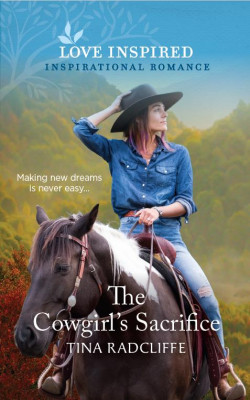 The Cowgirl’s Sacrifice by Tina Radcliffe — Needing time to heal after a rodeo injury, Kate Rainbolt heads to her family ranch to accept the foreman job her brothers offered her months ago. But the position’s already been filled by her ex-boyfriend, Jess McNally, and the only open job reports to him. With Jess as her temporary boss—and turning into something more—might he finally convince Kate to put down roots? (Contemporary Romance from Love Inspired (Harlequin))
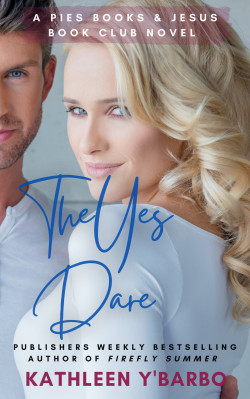
The Yes Dare by Kathleen Y’Barbo — After spending most of her adult life as a football wife and mother to twin sons, fashionista Coco Sutton is learning how to be single and fabulous. Emphasis on Fabulous. The sports trophies, memorabilia, and heavy masculine wood furniture in the home she used to share with Ryan have been banished to the attic, and her home is now a cozy haven of plush candle-scented comfort. She’s got big plans that include owning a boutique or maybe an art gallery, but she never planned to take on the biggest challenge of her life: staying single. Then her best friend gives her a copy of a book called The Yes Dare, and all her plans are turned upside down. (Contemporary Romance from White Glove Publishing)
Romantic Suspense/Thriller
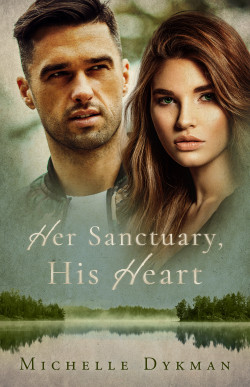 Her Sanctuary, His Heart by Michelle Dykman — Five years ago, Braelyn Kane’s daughter died. Her marriage imploded, and Forest Hill became Braelyn’s sanctuary. She’s praying for her new life to start, but she doesn’t know where to find it. (Romantic Suspense/Thriller from Ambassador International)
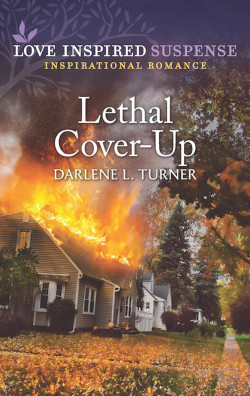 Lethal Cover-Up by Darlene L. Turner — Some secrets are dangerous…But uncovering the truth could be deadly. Border patrol officer Madison Steele knows her sister Leah’s fatal car crash was no accident. Someone’s willing to kill to cover up a pharmaceutical company’s deadly crime of distributing tainted drugs. Now they are after Madison to tie off loose ends. But with her high school sweetheart, Canadian police constable Tucker Reed, at her side, can Madison expose the company’s deadly plan before she becomes the next victim? (Romantic Suspense/Thriller from Love Inspired (Harlequin))
Speculative Fiction/Fantasy
 Journey to ChiYah by Kimberly Russell — JADE PEPPERDINE HAS A PROBLEM: Her life is crumbling beneath the weight of the past, events of the present, and fears for her future. Things need to change, but she doesn’t know where to start. Answers come in the form of an unexpected opportunity when Jade finds herself stuck in a mythical land. She meets Mayor Dudley, who insinuates she is emotionally broken and in need of repair … a fact she’d just as soon ignore. He offers to help her get home if she is willing to face her issues through a process of restoration. Frightened and skeptical yet out of options, Jade grudgingly agrees. And soon figures out that change is a journey, not a destination. (Speculative Fiction/Fantasy, Independently Published)
Western
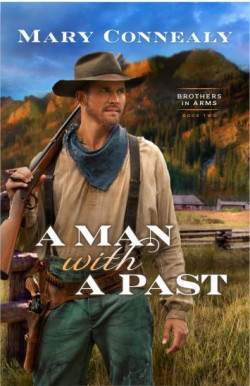 A Man with a Past by Mary Connealy — Falcon Hunt awakens without a past, or at least not one he can recall. He’s got brothers he can’t remember, and he’s interested in the prettiest woman in the area, Cheyenne. Only trouble is, a few flashes of memory make Falcon wonder if he’s already married. He can’t imagine abandoning a wife. But his pa did just that–twice. When Falcon claims his inheritance in the West, Cheyenne is cut out of the ranch she was raised on, leaving her bitter and angry. And then Falcon kisses her, adding confusion and attraction to the mix. Soon it’s clear someone is gunning for the Hunt brothers. When one of his brothers is shot, Falcon and Cheyenne set out to find who attacked him. They encounter rustled cattle, traitorous cowhands, a missing woman, and outlaws that take all their savvy to overcome. Ajs love grows between these two independent people, Falcon must piece together his past if they’re to have any chance at a future. (Western from Bethany House (Baker) Publishing)
Young Adult
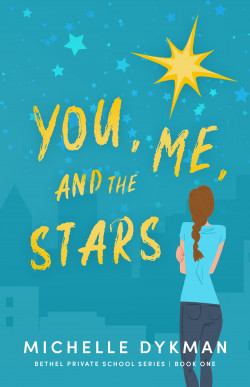
You, Me and the Stars by Michelle Dykman — He thinks she’s shallow, she thinks he’s a nerd. What happens when they are forced to work together?
(Young Adult from Ambassador International)
Plus check out these recent additions to Fiction Finder published within the past month:
Where Hope Begins by Heidi Chiavaroli, This is Book 2 in The Orchard House Bed and Breakfast Series, a contemporary twist on the well-loved classic, Little Women. (General Contemporary)
The Father He Deserves by
Lisa Jordan, A determined dad. A wary mother. Making amends is never easy… Injured in a kayaking accident, champion Evan Holland returns home to train rescue dogs. But his unexpected partner is the woman he left behind, Natalie Bishop. And she has a secret: a son Evan never knew he had. Now Evan must prove he can be a real father. But earning Natalie’s trust back will take hope, forgiveness—and risking everything on forever… (Contemporary Romance)
It’s Mystery…Birds by
Janetta Fudge Messmer, Follow the Early Birds, plus one, on an RV journey where snooping around leads them to more than clues. It may even include a little matchmaking amid criminal activity. (Mystery)
Trapped in a Hot Air Balloon by
Mark Wainwright, When angry siblings find themselves trapped and terrified in a runaway hot air balloon, their situation spirals out of control, forcing them to confront their fears in order to survive the crash landing. (Young Adult)




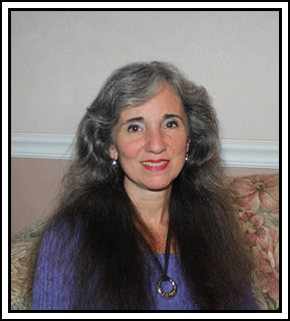 From medical secretary to court reporter to property manager to owner of a special events decorating company, Carol’s resume reads as if she doesn’t know what she wants to be when she grows up. But one thing that has remained constant through the years is her love for writing. She currently pens fun and fast-paced inspirational romance and romantic suspense stories. Her books have been nominated for a RITA® award and an RT Reviewers’ Choice Best Book Award.
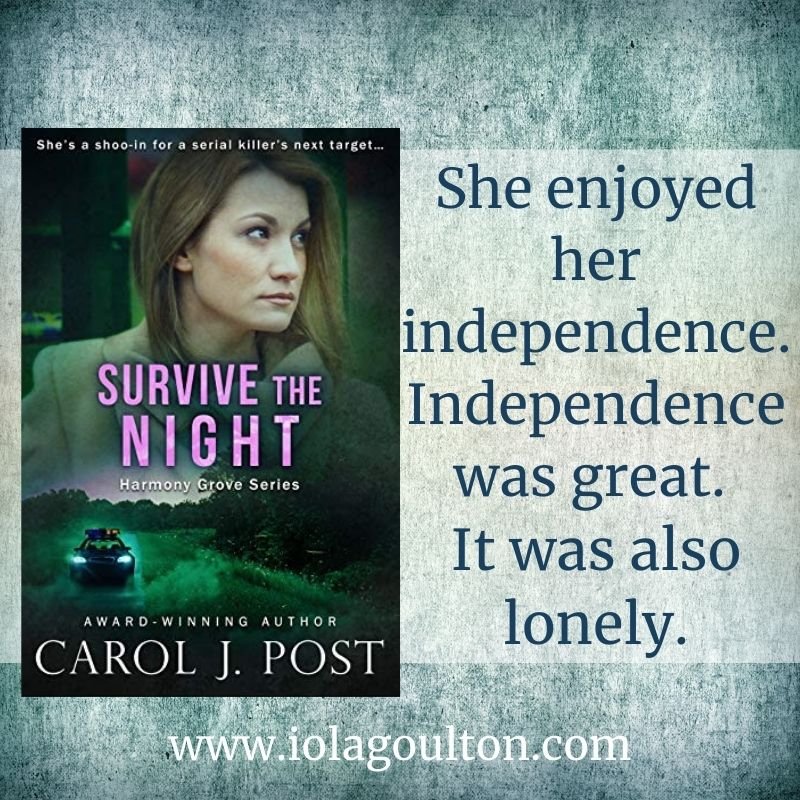
 She’s a shoo-in for a serial killer’s next target…






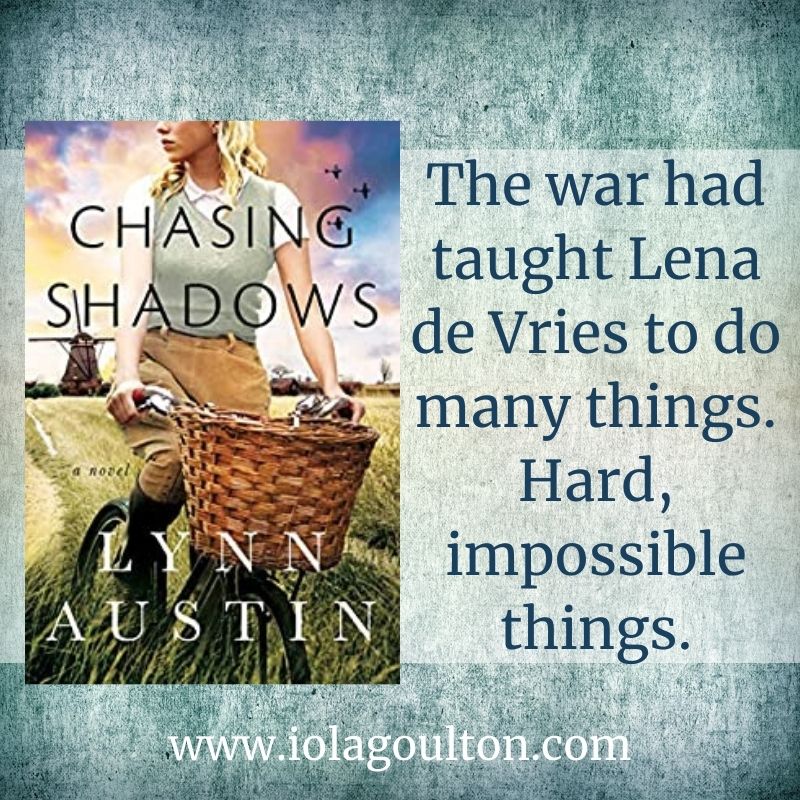
 For many years, Lynn Austin nurtured a desire to write but frequent travels and the demands of her growing family postponed her career. When her husband’s work took Lynn to Bogota, Colombia, for two years, she used the B.A. she’d earned at Southern Connecticut State University to become a teacher. After returning to the U.S., the Austins moved to Anderson, Indiana, Thunder Bay, Ontario, and later to Winnipeg, Manitoba.